Franchise

All Courses

Type a course name or short form (acronym) to find any course quickly.
Full Stack Development

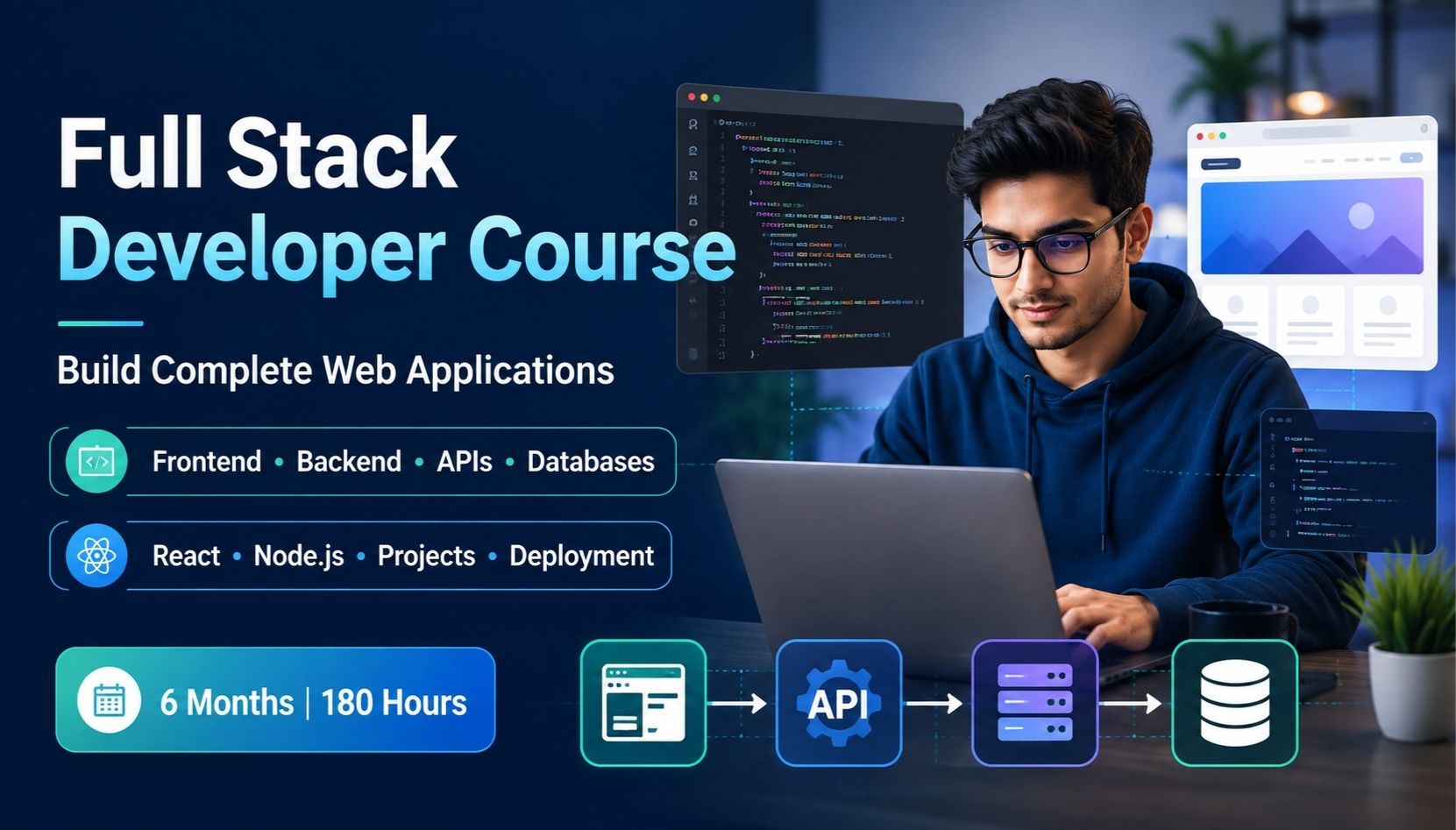
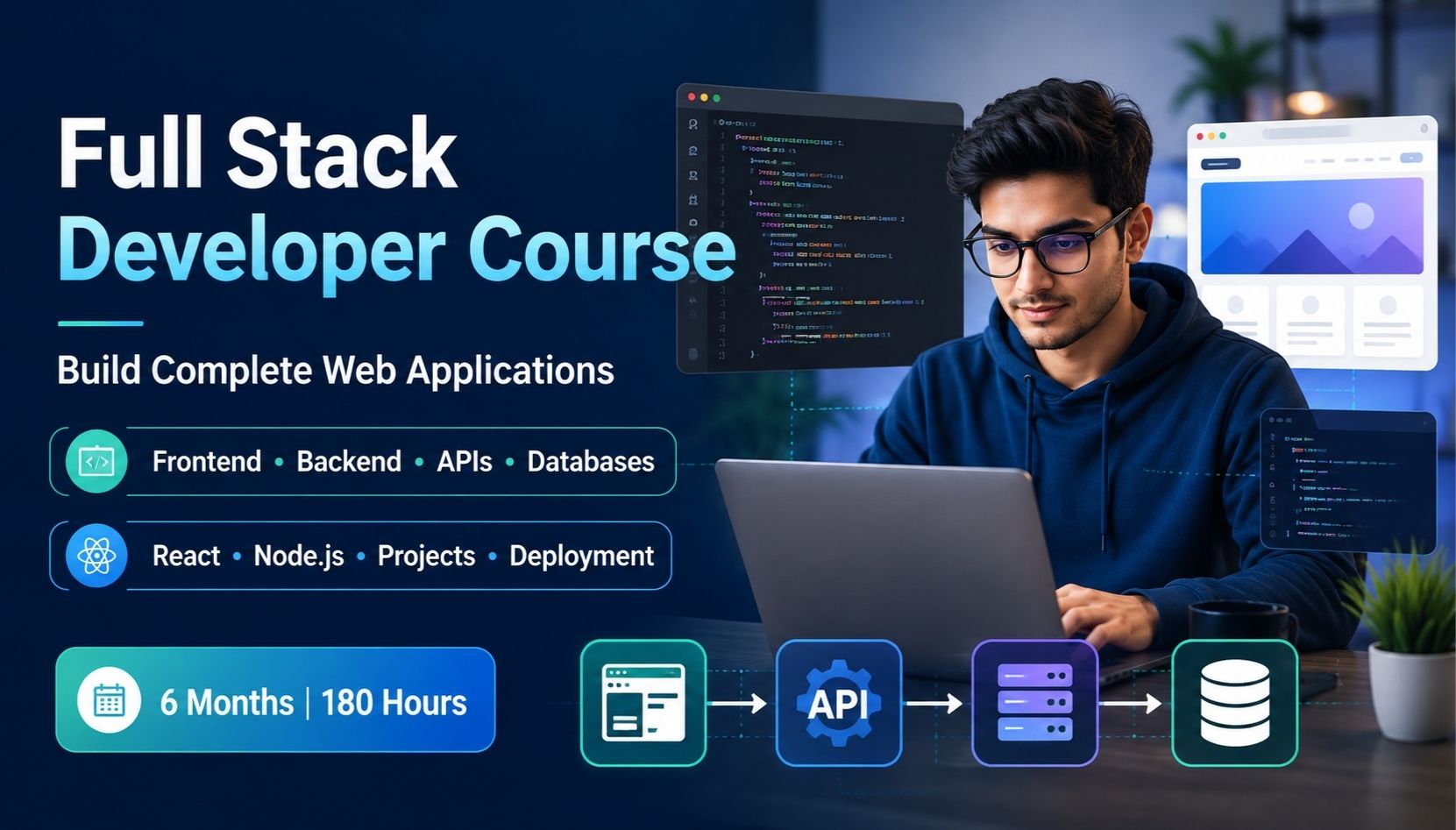
Full Stack Developer Course – Build Complete Web Applications (AI Full Stack)

Start Date 1 October 2026
Duration 6 Months
Mode Online / Offline
Certification CITC Certified
Batch / Course AI Full Stack
Enroll Now Download Syllabus

Click here for CITC All Courses FEES

Course Highlights

What you get when you enrol with CITC

Industry-ready Curriculum
Practical Learning
CITC Certificate
Flexible Batches
Placement Support
Career Guidance
1,744+ Franchises
41,756+ Students
445+ Courses
10,439+ Govt. Placements
22,966+ Private Placements
Full Stack Developer Course – Build Complete Web Applications

Learn how to build complete web applications from frontend to deployment. CITC’s Full Stack Developer Course combines HTML, CSS, JavaScript, React, essential backend development, databases, APIs and live deployment through practical projects.

The focus is on connecting every layer of a real application—user interface, server logic, data, authentication and deployment—so learners understand the complete development workflow and build projects for a professional developer portfolio.

Course Papers / Subjects

What you will study in this programme

01
HTML5 & Web Application Structure
02
CSS3 & Responsive Layouts
03
JavaScript Programming
04
Responsive UI & Frontend Frameworks
05
React.js Application Development
06
Node.js & Express Fundamentals
07
REST APIs for Full Stack Applications
08
Databases for Web Applications
09
Full Stack Integration
10
Development $ Final Capstone Project

Syllabus (Module-wise)

Expand each topic for details

Frontend Development & React 1

Build responsive, interactive user interfaces using HTML5, CSS3, JavaScript and React.js. Learn modern frontend development from page structure and styling to reusable components, API-driven interfaces and responsive application design.

  • Semantic HTML5
  • Accessible page structure
  • Headings, links and navigation
  • Forms and input elements
  • Tables and multimedia
  • HTML validation basics
  • Structured application layouts
  • Practical page-building exercises

  • CSS syntax and selectors
  • Typography and colours
  • CSS Box Model
  • Display and positioning
  • Flexbox
  • CSS Grid
  • Responsive units
  • Media queries
  • Mobile-first layouts
  • Forms and buttons
  • Transitions and effects
  • Responsive application interfaces

  • ES6+ JavaScript fundamentals
  • Variables and data types
  • Functions and arrow functions
  • Arrays and objects
  • Loops and conditions
  • DOM manipulation
  • Event handling
  • Form validation
  • Local Storage
  • Fetch API
  • Promises
  • Async / Await
  • JSON data
  • Practical JavaScript exercises

  • Mobile-first development
  • Responsive interface planning
  • Bootstrap 5
  • Bootstrap grid and components
  • Tailwind CSS fundamentals
  • Utility-first styling
  • Responsive navigation
  • Cross-device testing
  • CSS transitions and animations
  • Figma wireframe concepts
  • UI consistency

  • Introduction to React
  • React project setup
  • JSX
  • Components
  • Props
  • State
  • useState
  • useEffect
  • Event handling
  • Conditional rendering
  • React forms
  • React Router
  • Single Page Application concepts
  • API data rendering
  • Reusable components
  • Practical React application development
  • Full Stack Integration, APIs & Data -1

    Learn the backend fundamentals required to turn a frontend interface into a working full stack application. Connect React with server APIs, manage application data, implement authentication and deploy complete projects.

    • Introduction to server-side development
    • Role of the backend in a full stack application
    • Node.js fundamentals
    • Express.js basics
    • Creating a simple server
    • Application routes
    • Request and response handling
    • Middleware basics
    • Environment variables
    • Server-side validation
    • Basic project structure
    • Building backend functionality for full stack projects

    • What is a REST API?
    • How frontend and backend communicate
    • HTTP methods
    • GET, POST, PUT and DELETE
    • CRUD operations
    • API routes
    • Controllers
    • Request validation
    • Returning JSON responses
    • Basic error handling
    • Testing APIs with Postman
    • Connecting APIs to React applications

    • Why web applications need databases
    • Relational vs NoSQL databases
    • SQL fundamentals
    • Tables and relationships
    • MySQL and PostgreSQL concepts
    • MongoDB fundamentals
    • Collections and documents
    • CRUD database operations
    • Basic ORM concepts
    • Connecting databases to server applications
    • Data validation
    • Practical application data management

    • Connecting React Frontend to Backend API
    • Axios Integration & Secure API Calls
    • Protected Routes & Auth Flows
    • Dynamic Forms, Input Validation with Server Feedback
    • Managing Frontend State Based on Backend

    • Deploying Backend on Render / Railway / Heroku
    • Environment Variables (.env), SQL Database Hosting
    • Build and deploy a full stack application (E-commerce, Blog, Task Manager)
    • Authentication, File Uploads, Protected Routes, Role-Based Access
    • Code Optimization, SEO, Mobile Responsiveness
    • Live Deployment with Custom Domain
    • Project Submission with URL & Source Code

    What You Will Learn & Career Scope

    Details from the course content

    What Will You Build During the Course?

    Students learn by creating functional projects instead of only reading theory. Practical work may include responsive websites, React applications, REST APIs, user authentication systems, admin dashboards and database-driven web applications.

    The final capstone project combines frontend development, backend programming, databases, APIs, authentication and deployment. Each student should complete the course with source code, a live project URL and work suitable for inclusion in a GitHub portfolio.

    Suggested Full Stack Projects

    • Responsive business website
    • React-based dashboard
    • Ecommerce storefront
    • Blog or content management system
    • Task management application
    • User registration and login system
    • Inventory management application
    • Role-based administrator panel
    • Database-driven REST API
    • Final deployed full stack application

    Frontend vs Backend vs Full Stack Development

    Understanding the difference between frontend, backend and full stack development helps students choose the right learning path and understand how complete web applications are created.

    Development Area What It Covers Main Technologies
    Frontend Development The visible part of a website or application, including layouts, navigation, forms, buttons, dashboards and responsive interfaces. HTML5, CSS3, JavaScript and React.js
    Backend Development The server-side part that manages application logic, authentication, databases, API requests, data validation and security. Node.js, Express.js, Python, PHP, SQL and MongoDB
    Full Stack Development Combines frontend and backend skills to create, connect, test and deploy a complete web application. Frontend, backend, databases, APIs and deployment tools

    Career Opportunities After the Course

    After developing the required skills and completing suitable projects, learners can explore entry-level development, internship, freelance and project-based opportunities.

    • Junior Full Stack Developer
    • Frontend Developer
    • Backend Developer
    • React.js Developer
    • Node.js Developer
    • Web Application Developer
    • API Developer
    • Junior Software Developer
    • Freelance Web Developer
    Career Outcome Notice: Completing a course does not automatically guarantee employment. Career outcomes depend on practical ability, project quality, interview preparation, communication skills, available opportunities and individual performance.

    Placement and Career Support

    CITC’s placement-support process helps students present their technical skills, completed projects and practical experience more effectively to employers and clients.

    • Selecting suitable projects for a professional portfolio
    • Organising and documenting projects on GitHub
    • Resume and professional-profile guidance
    • Technical interview preparation
    • Practice questions and mock interview guidance
    • Learning how to explain projects during interviews
    • Guidance for internships, freelance work and relevant job opportunities
    Please Note: Placement support does not constitute a guaranteed job or fixed salary. Students must successfully complete their training, assignments, projects and interview preparation.

    Who Can Join This Full Stack Developer Course?

    This practical Full Stack Developer Course is suitable for beginners as well as learners who want to upgrade their existing development skills.

    • Beginners interested in coding and web development
    • Students after school or college
    • Graduates preparing for software-development careers
    • BCA, MCA, B.Tech and other technical students
    • Learners from non-technical backgrounds
    • Frontend developers who want to learn backend development
    • Freelancers offering website-development services
    • Working professionals planning a career transition

    Previous programming experience is helpful but not compulsory. Basic computer knowledge, logical thinking, regular practice and a willingness to complete assignments are recommended.

    Why Choose CITC for Full Stack Development Training?

    CITC – The Hub of IT has been providing computer education and technology-focused learning since 2009. The Full Stack Developer Course focuses on practical learning, structured modules and projects that connect frontend development, backend programming, databases, APIs and deployment.

    Key Reasons to Consider CITC

    • Structured beginner-to-advanced curriculum
    • Frontend and backend development in one program
    • Practical assignments and project-based learning
    • Live full stack capstone development
    • AI-assisted coding and debugging workflows
    • Online and classroom batch options
    • Portfolio and GitHub development
    • Interview preparation and placement support
    • Accessible for students across the Tricity region

    Target Locations: Kharar, Mohali, Chandigarh, Zirakpur, Panchkula and nearby Punjab cities.

    Explore Related Development Courses

    Learners can also explore these related CITC programs based on their preferred technology, specialization and career goals.

    Frequently Asked Questions

    What is a Full Stack Developer Course?

    A Full Stack Developer Course teaches frontend development, backend programming, database management, API development, authentication and deployment. Students learn how to create, test and publish complete web applications.

    Is this full stack course suitable for beginners?

    Yes. The training begins with HTML, CSS and JavaScript before progressing to React.js, backend development, APIs and databases. Previous coding experience is not compulsory, but regular practice is essential.

    What is the duration of the course?

    The planned duration is six months or approximately 180 training hours. Students should confirm the current batch schedule and class timings before admission.

    Does the course include MERN Stack development?

    Students following the JavaScript backend path learn React.js, Node.js, Express.js and MongoDB concepts used in MERN Stack development. The broader Full Stack Developer Course may also provide alternative backend options.

    What projects will students complete?

    Projects may include responsive websites, React dashboards, REST APIs, authentication systems, ecommerce applications, content management systems and a deployed full stack capstone project.

    Are online and classroom batches available?

    CITC provides online and classroom learning options according to the current batch schedule. Contact the course counsellor to confirm availability, training location and class timings.

    Does CITC guarantee a job after this course?

    No course completion alone can guarantee employment. CITC provides placement support through portfolio development, resume guidance, interview preparation and assistance with relevant career opportunities.

    What career roles can I apply for?

    Depending on your skills and project quality, you may explore roles such as Junior Full Stack Developer, Frontend Developer, Backend Developer, React.js Developer, Node.js Developer, Web Developer or API Developer.

    How can I get the syllabus and course fees?

    Use the Download Syllabus option available on this page or contact CITC for the current course fee, batch schedule, learning mode and admission details.

    Start Building Your Portfolio

    Ready to Become a Full Stack Developer?

    Learn frontend development, backend programming, databases, APIs, AI-assisted coding and deployment through practical projects at CITC.

    Social Proof

    What learners and sessions look like in action
    Social proof

    Real Stories. Real CITC.

    Stories That Inspire Trust

    Training at 25 PB Battalion

    Training at 25 PB Battalion

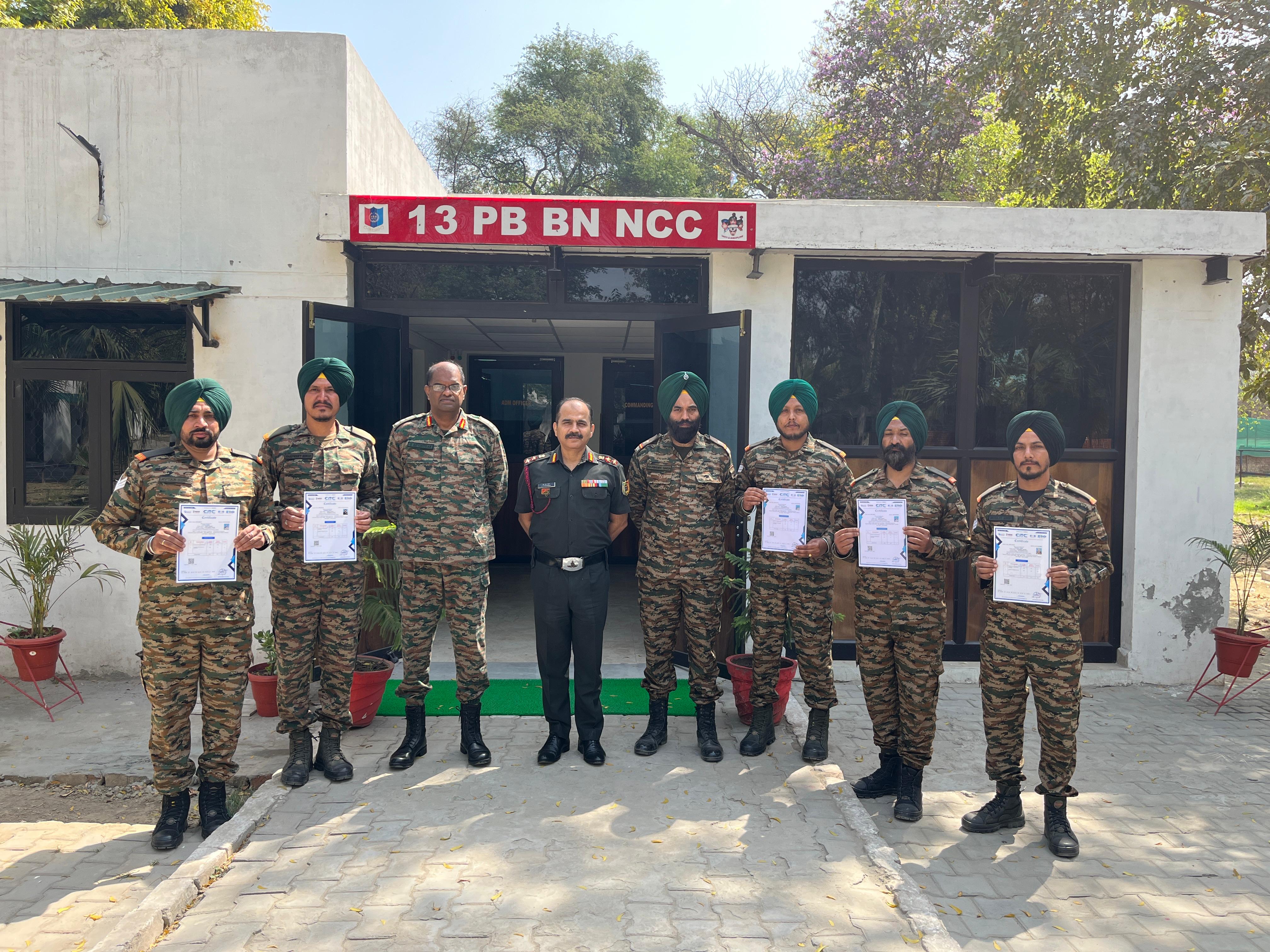
    Training at 13 PB Battalion

    Training at 13 PB Battalion