Franchise

All Courses

Type a course name or short form (acronym) to find any course quickly.

Career-Ready · Industry-Focused

Data Science (PCDS)

Data Science Course – Big Data, Live Projects & Career BoostIntroductionThe world is rapidly transforming through the power of data, and this data science course is designed to prepare you for a thriving career in…

Duration 6 Months Mode Online / Offline Eligibility 12th CITC Certified Placement Support

Data Science Course Big Data Projects Placement (PCDS)

Start Date 1 October 2026
Duration 6 Months
Mode Online / Offline
Certification CITC Certified
Batch / Course PCDS
Enroll Now

Click here for CITC All Courses FEES

Course Highlights

What you get when you enrol with CITC

Industry-ready Curriculum
Practical Learning
CITC Certificate
Flexible Batches
Placement Support
Career Guidance
1,744+ Franchises
41,756+ Students
445+ Courses
10,439+ Govt. Placements
22,966+ Private Placements
Data Science Course Big Data Projects Placement

Data Science Course – Big Data, Live Projects & Career Boost


Introduction

The world is rapidly transforming through the power of data, and this data science course is designed to prepare you for a thriving career in this high-demand field. Whether you're learning online from home or attending in-person classes, this course helps you understand what is data science, how it impacts industries, and how you can use it to drive decisions, solve problems, and innovate using real-world data.

Through practical exposure and hands-on experience, you'll explore everything from statistics for data science and data visualization to data mining, machine learning, and big data analytics. You'll also become familiar with tools and platforms used by modern data professionals, making this one of the best data science courses available today.

Course Papers / Subjects

What you will study in this programme

01
Introduction to Data Science
02
The Data Science Workflow
03
Understanding Data Types and Data Structures
04
Data Collection Techniques
05
Data Cleaning Techniques
06
Exploratory Data Analysis (EDA)
07
Feature Engineering
08
Model Selection and Evaluation
09
Model Deployment and Monitoring
10
Advanced Machine Learning Techniques
11
Data Ethics and Privacy in Machine Learning
12
Data Visualization and Storytelling
13
Big Data Concepts and Tools
14
Machine Learning Concepts and Techniques
15
Data Visualization Techniques and Tools
16
Data Ethics and Privacy in Data Science
17
Data-Driven Decision Making
18
Data Governance and Security in Data Science
19
Data Ethics and Responsible AI
20
Practical Applications and Projects in Data Science

Syllabus (Module-wise)

Expand each topic for details

Module 1

Course Papers

  • Foundations of Data Science

  • What is Data Science
  • The Evolution of Data Science
  • Importance of Data Science
  • Applications of Data Science
  • Key Skills Required for Data Scientists
  • Future Trends in Data Science

  • Data Collection
  • Data Cleaning and Preparation
  • Exploratory Data Analysis (EDA)
  • Model Building
  • Model Evaluation
  • Deployment and Monitoring

  • Data Types
  • Data Structures
  • Choosing the Right Data Structure

  • Automated Data Collection
  • Primary Data Collection
  • Secondary Data Collection
  • Real-Time Data Collection
  • Ethical Considerations in Data Collection

  • Importance of Data Cleaning
  • Common Data Cleaning Techniques
  • Tools for Data Cleaning
  • Challenges in Data Cleaning
  • Best Practices for Data Cleaning

  • Importance of EDA
  • Steps in Exploratory Data Analysis

  • Importance of Feature Engineering
  • Types of Features

  • Importance of Model Selection
  • Types of Machine Learning Models

  • Importance of Model Deployment
  • Deployment Strategies
  • Model Monitoring and Maintenance
Module 2

Course Papers

  • Data Science and Industry Applications

  • Ensemble Learning
  • Deep Learning
  • Transfer Learning
  • Reinforcement Learning
  • AutoML (Automated Machine Learning)

  • Importance of Data Ethics
  • Privacy Concerns in Machine Learning
  • Bias and Fairness in Machine Learning
  • Regulatory Frameworks for Ethical AI
  • Best Practices for Ethical Machine Learning
  • Real-World Examples of Ethical and Unethical AI

  • Importance of Data Visualization
  • Principles of Effective Data Visualization
  • Types of Data Visualizations
  • Tools for Data Visualization
  • Common Mistakes in Data Visualization
  • Practical Example: Creating a Sales Dashboard

  • Characteristics of Big Data
  • Types of Big Data
  • Big Data Tools and Technologies
  • Challenges in Managing Big Data
  • Applications of Big Data

  • Introduction to Machine Learning
  • How Machine Learning Differs from Traditional Programming
  • Key Machine Learning Techniques
  • Steps in Building a Machine Learning Model
  • Applications of Machine Learning
  • Challenges in Machine Learning

  • Importance of Data Visualization
  • Types of Data Visualizations
  • Tools for Data Visualization
  • Designing Effective Visualizations
  • Real-World Applications of Data Visualization
  • Challenges in Data Visualization

  • Understanding Data Ethics
  • Privacy Concerns in Data Science
  • Ethical Challenges in Data Science
  • Regulations and Frameworks for Data Privacy
  • Strategies for Ethical Data Practices
  • Balancing Ethics and Innovation

  • What is Data-Driven Decision Making?
  • The Process of Data-Driven Decision Making
  • Tools for Data-Driven Decision Making
  • Real-World Applications
  • Benefits and Challenges

  • What is Data Governance?
  • Importance of Data Governance
  • Data Security in Data Science
  • Regulatory Frameworks and Compliance
  • Challenges in Data Governance and Security
  • Best Practices for Governance and Security

  • What is Data Ethics?
  • Importance of Ethics in Data Science
  • Challenges in Ethical Data Use
  • What is Responsible AI?
  • Best Practices for Implementing Responsible AI

  • Overview of a Complete Data Science Project Workflow
  • Real-World Project: House Price Prediction
  • Project Ideas for Data Science Practice
  • Best Practices for Data Science Projects
  • Building a Data Science Portfolio
  • Final Thoughts on the Future of Data Science

What You Will Learn & Career Scope

Details from the course content

Why Choose This Course?

This data science course with certification stands out because it offers more than just theory. You’ll gain real-world insights into how companies use data science to stay competitive. You’ll also build complete Data Science Projects using the latest Data Science Modules, leveraging tools such as the python compiler, SQL, and data visualization tools like Tableau and Power BI.

The course content reflects current industry demands and equips you with skills in Data Science with Python, working knowledge of SQL query interview questions, and the ability to navigate big data tools with ease. With a balanced mix of foundational learning and advanced topics like Deep Learning, this is a data science course with placement assistance designed to prepare you for job roles in both tech and non-tech sectors.

What Will You Learn?

  • The complete data science syllabus, from basics to advanced
  • How to use a python compiler for building models
  • The difference between AI and Data Science
  • How Python is used in Data Science across industries
  • Various types of machine learning and how to choose the right one
  • Building and deploying ML models using ethical, explainable practices
  • Practical data visualization techniques for storytelling and insights
  • Managing large datasets using big data tools and technologies
  • How to analyze data through SQL and prepare for SQL interview questions
  • The role of data governance, privacy, and responsible AI in data-centric systems
  • Real-world data science and machine learning applications
  • How to create your portfolio through hands-on Data Science Projects


Opportunities After This Course

  • Data Scientist
  • Data Analyst
  • Machine Learning Engineer
  • Business Intelligence Analyst
  • Data Engineer
  • Big Data Analyst
  • Research Scientist in AI
  • Product Analyst
  • Consultant for analysis in big data environments


Whether you aim to join startups or large enterprises, this course empowers you with the skills that recruiters are looking for. You’ll also be confident answering technical questions, including common SQL interview questions and machine learning vs deep learning in data science.

Who Can Enroll?

  • Fresh graduates and final-year students
  • Working professionals looking to switch to Data Science
  • Python or SQL developers aiming to enter analytics roles
  • Entrepreneurs who want to use data for better business decisions
  • Anyone curious about how to start learning data science or wondering what does a data scientist do


No prior data science experience is needed, though basic knowledge of Python or programming is helpful.

Enroll Now

Whether you're aiming to master data science course online or attend live classroom sessions, this course offers unmatched flexibility and value. You’ll gain a recognized data science certification, access real-world projects, and receive support for placements and interview preparation.

Enroll now in one of the best data science courses available – and start building your future with data!

Frequently Asked Questions

Common questions about this course

A Data Science course teaches students how to collect, analyze, visualize, and interpret data to identify useful insights and support data-driven decision-making.

Students, graduates, working professionals, and beginners interested in data analysis and technology can join a Data Science course at CITC Chandigarh. Eligibility may vary depending on the specific course.

Yes. Beginners can learn Data Science through a structured course that introduces fundamental concepts before moving toward advanced data analysis and machine learning techniques.

A Data Science course may cover Python, statistics, data analysis, data visualization, databases, machine learning, and data preprocessing, along with practical applications.

Previous programming experience is not always required for beginners. However, learning Python and basic programming concepts can make it easier to understand and work with data science techniques.

Python is one of the most widely used programming languages in Data Science because it provides powerful libraries and tools for data analysis, visualization, machine learning, and scientific computing.

Data Science skills can help learners pursue roles such as Data Scientist, Data Analyst, Business Analyst, Machine Learning Engineer, Data Engineer, and Python Developer, depending on their qualifications and experience.

Yes. Practical projects can help students apply their knowledge to real-world datasets. Projects may involve data cleaning, analysis, visualization, prediction, and machine learning.

Learning Data Science at CITC Chandigarh can help students develop technical and analytical skills through structured training and practical learning. It can provide a foundation for pursuing careers in data-related fields.

Students interested in Data Science at CITC Chandigarh can contact the institute to learn about the available course, curriculum, eligibility, fees, batch timings, and admission process.

Real Stories. Real CITC.

Stories That Inspire Trust

Training at 25 PB Battalion

Training at 25 PB Battalion

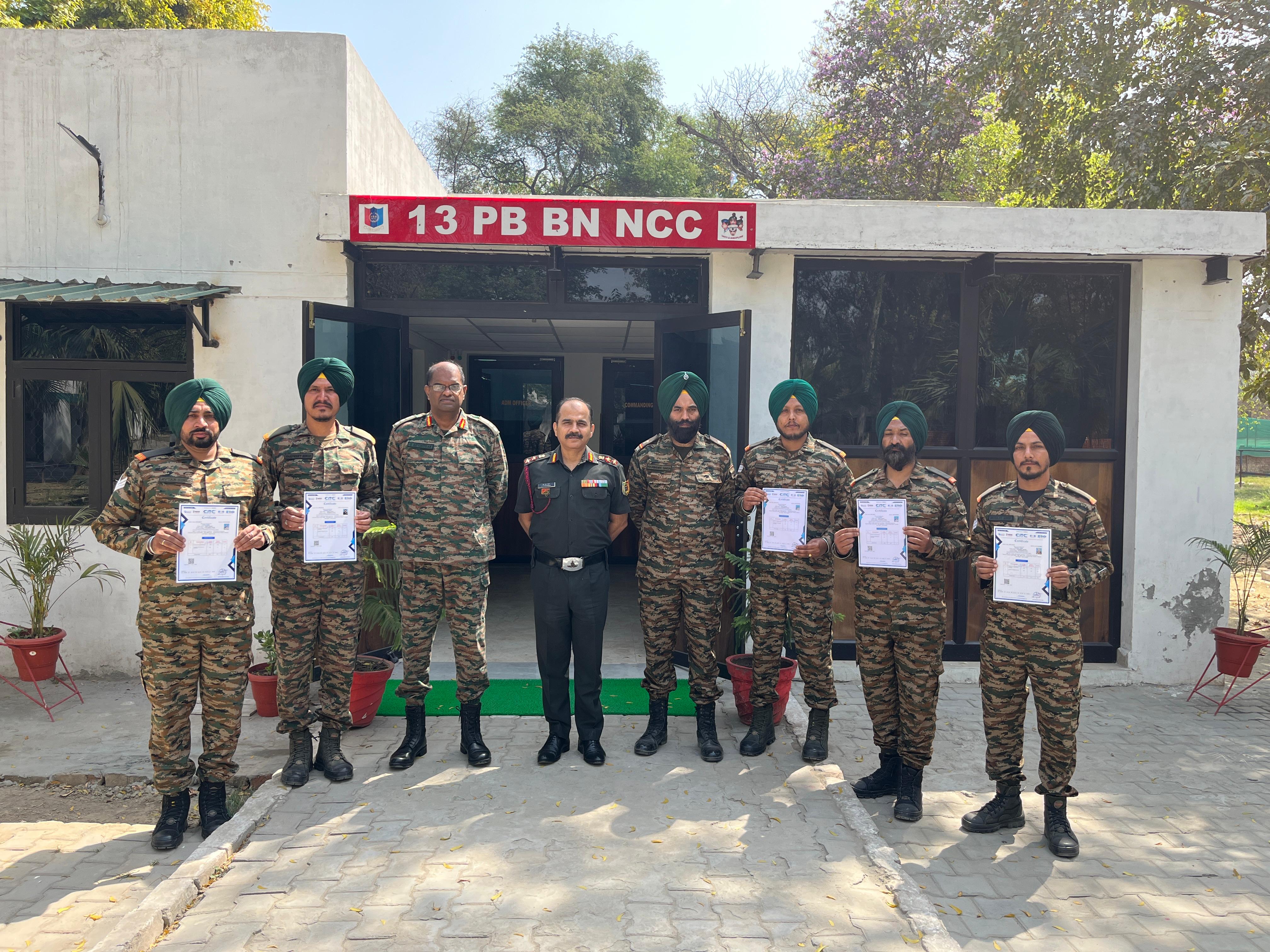
Training at 13 PB Battalion

Training at 13 PB Battalion