Franchise

All Courses

Type a course name or short form (acronym) to find any course quickly.

Career-Ready · Industry-Focused

5G wireless Systems & Mobiles

Do 5G wireless Systems & Mobiles with CITC – An ISO 9001:2015 certified organisation, associated with Microsoft, ICDL for International Computer courses, NIELIT, MSME & Google. About Course5G is…

Duration 6 Months Mode Online / Offline Eligibility 12th CITC Certified Placement Support

Certificate In 5g Wireless Systems Mobiles (5G wireless Systems & Mobiles)

Start Date 1 October 2026
Duration 6 Months
Mode Online / Offline
Certification CITC Certified
Batch / Course 5G wireless Systems & Mobiles
Enroll Now Download Syllabus

Click here for CITC All Courses FEES

Course Highlights

What you get when you enrol with CITC

Industry-ready Curriculum
Practical Learning
CITC Certificate
Flexible Batches
Placement Support
Career Guidance
1,744+ Franchises
41,756+ Students
445+ Courses
10,439+ Govt. Placements
22,966+ Private Placements
Certificate In 5g Wireless Systems Mobiles

Do 5G wireless Systems & Mobiles with CITC – An ISO 9001:2015 certified organisation, associated with Microsoft, ICDL for International Computer courses, NIELIT, MSME & Google. 

About Course

5G is the 5th generation mobile network. It is a new global wireless standard  after 1G, 2G, 3G, and 4G networks. 5G enables a new kind of network that is designed to connect virtually everyone and everything together including machines, objects, and devices.5G wireless technology is meant to deliver higher multi-Gbps peak data speeds, ultra low latency, more reliability, massive network capacity, increased availability, and a more uniform user experience to more users. Higher performance and improved efficiency empower new user experiences and connects new industries.

What You Will Learn?

You will learn the following skills:

  • GSM- System Architecture
  • Mobile Communication
  • Computer Network
  • Database & Transactional Models

  • Scope

    Following are the few fields students can look at after pursuing this program but work experience and job profile are a must:

    • Network engineers 
    • Software developer
    • Data scientists
    • Telecom analysts
    • Network architects

Course Papers / Subjects

What you will study in this programme

01
Mobile Communication- Mobile Computing, Mobile Computing Architecture
02
GSM- System Architecture- GSM-Services with system Architecture
03
Computer Network- IP and Mobile IP Network Layers
04
Database Transactional Models- Transactional Models

Syllabus (Module-wise)

Expand each topic for details

Module 1

Course Papers

  • Mobile Communication
  • GSM- System Architecture
  • Computer Network
  • Database & Transactional Models

  • Mobile Devices Mobile System Networks
  • Data Dissemination, Mobility Management
  • Security Cellular Networks and Frequency Reuse, Mobile Smartphone, Smart Mobiles, and Systems Handheld Pocket Computers, Handheld Devices, Smart Systems, Limitations of Mobile Devices Automotive Systems.

  • Radio Interfaces of- GSM
  • GSM Localization protocols
  • Call Handling & Security, New Data Services
  • Modulation, Multiplexing, Controlling the Medium Access Spread Spectrum, Frequency Hopping Spread Spectrum (FHSS).
  • Coding Methods and Code Division Multiple Access
  • IMT-2000 3G Wireless Communication Standards & WCDMA 3G Dispatches norms
  • Broadband Wireless Access and 4G Networks.
  • Mobile Satellite and Communication Networks
Module 2

Course Papers(Opt any 1)

  • Computer Network
  • Database Transactional Models

  • Packet Delivery and Handover Management Location Management
  • IPsec Conventional TCP/IP Transport Layer Protocols
  • Indirect TCP
  • Snooping TCP Mobile TCP, Other Methods of Mobile TCP-layer Transmission
  • TCP over 2.5G/3G- Mobile Networks

  • Data Organization & Database Transactional Models –
      ACID Rules
      Query Processing Data Recovery Process
  • Hoarding Techniques of Database
  • Data Caching and Client-Server Computing for Mobile Computing & Adaptation
  • Adaptation Software for Mobile Computing
  • Power-Aware Mobile Computing and Context-aware Mobile Computing

What You Will Learn & Career Scope

Details from the course content


Frequently Asked Questions

Common questions about this course

You’ll explore 5G networks, mobile communication, key technologies, and how wireless systems deliver data.

5G is the fifth generation of mobile network technology, designed to support faster connections and more connected devices.

5G can support higher data rates, lower latency, and greater device capacity, depending on network conditions and deployment.

Latency is the time it takes data to travel between devices and the network; lower latency can make some applications more responsive.

Applications include enhanced mobile broadband, connected devices, industrial systems, and services that benefit from responsive communication.

Small cells are compact base stations that can add coverage and capacity, especially in busy areas.

It is the central part of the network that manages connections, services, and data routing.

Network slicing creates virtual network segments tailored to different service needs on shared infrastructure.

Basic knowledge of mobile networks and wireless communication is helpful; check the course prerequisites for specifics.

Review mobile network basics, radio communication concepts, and the course syllabus before lessons begin.

Real Stories. Real CITC.

Stories That Inspire Trust

Training at 25 PB Battalion
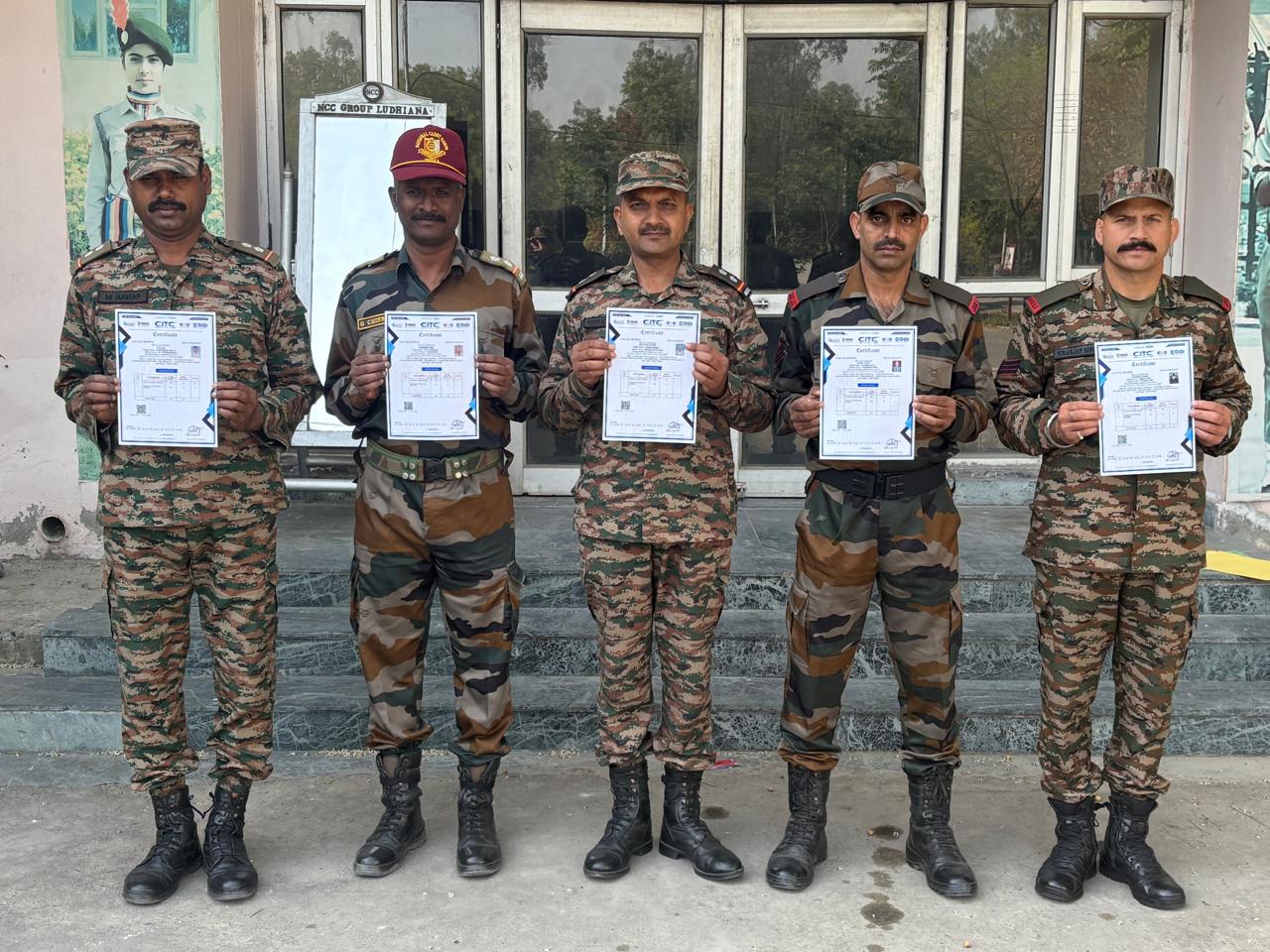
Training at 25 PB Battalion

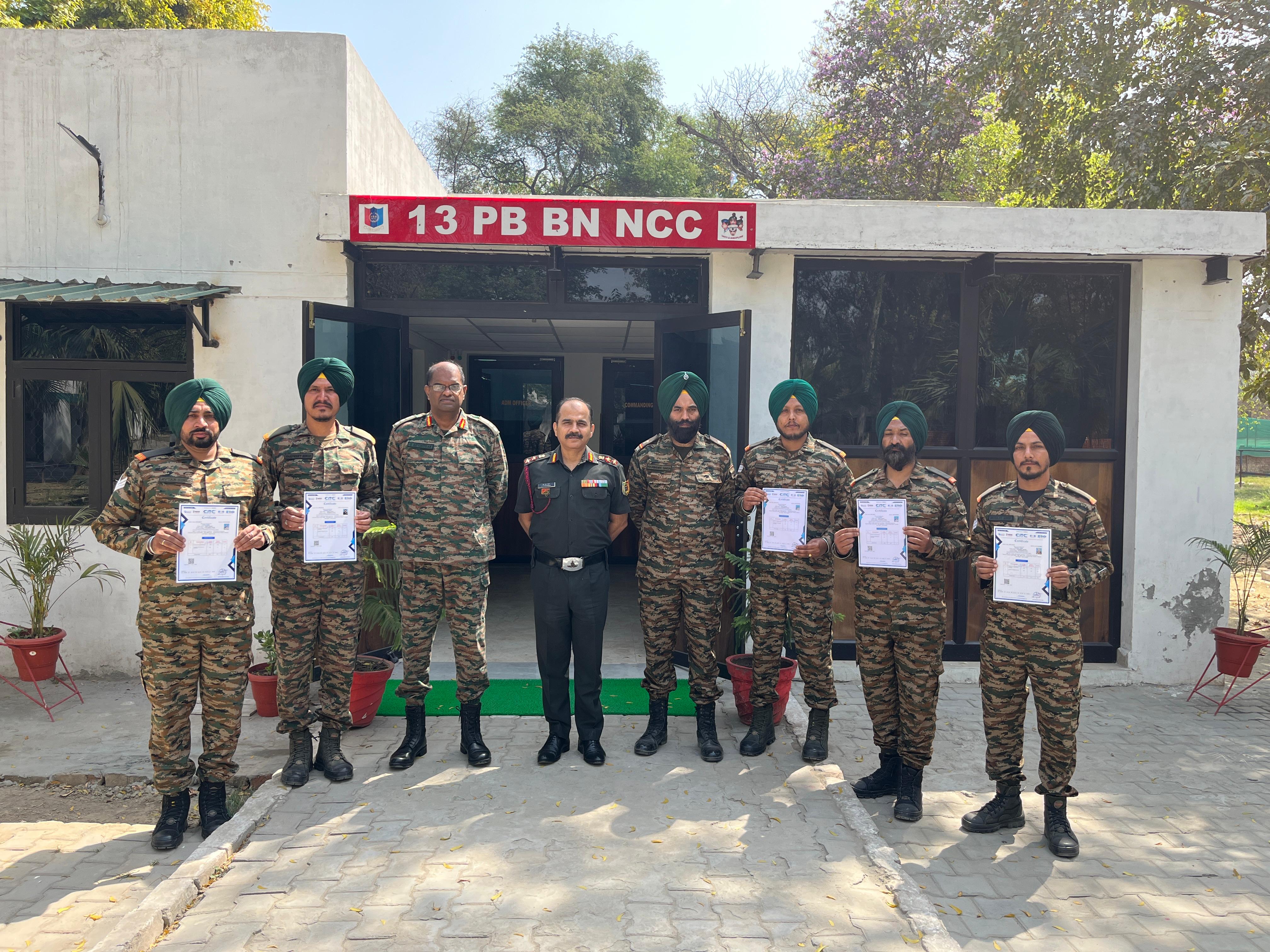
Training at 13 PB Battalion

Training at 13 PB Battalion