

In today’s digital-first economy, websites are no longer optional business assets—they are core business infrastructure.
From startups and service businesses to eCommerce brands and enterprise companies, the demand for strong web experiences continues to grow rapidly.
This has made web development internship one of the most relevant practical learning pathways for students interested in technology, software creation, and digital careers.
But here is the reality:
Watching tutorials is not the same as building projects.
Learning theory is not the same as solving implementation challenges.
And certificates alone are not the same as employability.
That is why a professionally structured web development internship can create meaningful career value for students who want practical skills—not just passive learning.
If you are serious about building future-ready technical skills, students can apply for CITC’s Web Development Internship Program here.
Technology continues to shape every industry.
Businesses increasingly require:
This sustained demand makes web development a practical and future-relevant career skill.
For students, a web development internship offers more than technical exposure—it provides a direct pathway into real-world digital problem solving.
Students who build practical implementation confidence early often gain stronger career clarity and employability momentum.
For many students, web development offers the perfect combination of creativity, logic, implementation, and career scalability.
A strong web development internship for students helps learners move from passive understanding to practical execution.
Students often choose this path because it helps them:
For technical learners, this remains one of the most actionable skill pathways.
Not every internship delivers meaningful technical growth.
Some programs remain overly theoretical or certificate-focused without real implementation exposure.
A quality website development internship should focus on practical capability.
Students should expect:
The objective should not simply be learning syntax.
The objective should be building confidence to create working digital solutions.
A professionally structured internship should build practical technical capability across modern web fundamentals.
Key learning areas often include:
Students typically gain exposure to:
A strong frontend internship foundation helps students understand how interfaces are built.
Modern websites increasingly require interactivity and data-driven functionality.
Students may learn:
Because WordPress powers a significant portion of the web, practical implementation remains valuable.
Exposure may include:
For students exploring broader software pathways, exposure to full stack internship concepts may include:
Students often reduce long-term value through avoidable mistakes.
Understanding these helps make smarter decisions.
An internship with certificate is useful—but certification without implementation creates limited technical confidence.
Practical exposure matters far more.
Without project implementation, coding confidence remains theoretical.
Modern web learning should align with current practical workflows.
Strong technical guidance accelerates learning dramatically.
Development skills grow through implementation—not observation.
Students often search specifically for an internship with certificate, and that intent is understandable.
Certificates support:
But employers increasingly evaluate capability beyond certification.
A certificate confirms participation.
Practical execution confirms competence.
The strongest internship ecosystems combine:
That combination creates genuine career value.
Recognizing the growing gap between academic technical learning and real-world implementation, CITC – The Hub of IT has developed a structured internship and industrial training ecosystem designed for practical employability.
This is not passive theory-led exposure.
The ecosystem focuses on practical implementation and professional capability building.
Key strengths include:
Available technical learning pathways include:
This creates strong value for serious technical learners.
Students have different academic timelines and learning goals.
Structured options include:
Ideal for focused practical exposure.
Strong for extended technical learning.
For deeper implementation confidence.
For serious long-term transformation.
Available for academic groups.
Technical skills compound over time.
Students who begin practical implementation earlier often create stronger long-term career outcomes.
The June intake is currently open for students seeking structured practical web development exposure.
If you are serious about building real technical capability, students can register for the upcoming CITC Web Development Internship Program here.
A web development internship is a structured practical learning program where students gain hands-on experience in building websites, interfaces, digital workflows, and implementation-focused web skills.
Yes. A strong web development internship for students helps improve technical confidence, project exposure, implementation capability, and career readiness.
Yes, but certificates create maximum value when combined with practical implementation, project work, and mentor-led technical learning.
This is highly valuable for BCA, MCA, B.Tech, B.Sc IT, diploma students, computer science learners, and career-focused technical students.
Yes. CITC offers structured practical internship and industrial training programs in web development and related technical domains.
A web development internship should not be treated as just another academic checkbox.
For serious students, it represents a practical gateway into real technical capability.
In a digital economy where implementation increasingly defines opportunity, students who build practical web development skills early often create stronger professional advantages later.
The right internship does not simply teach coding. It builds creators.
Get Franchise of World class Institute to provide Govt. Job Oriented Courses.
Stories That Inspire Trust
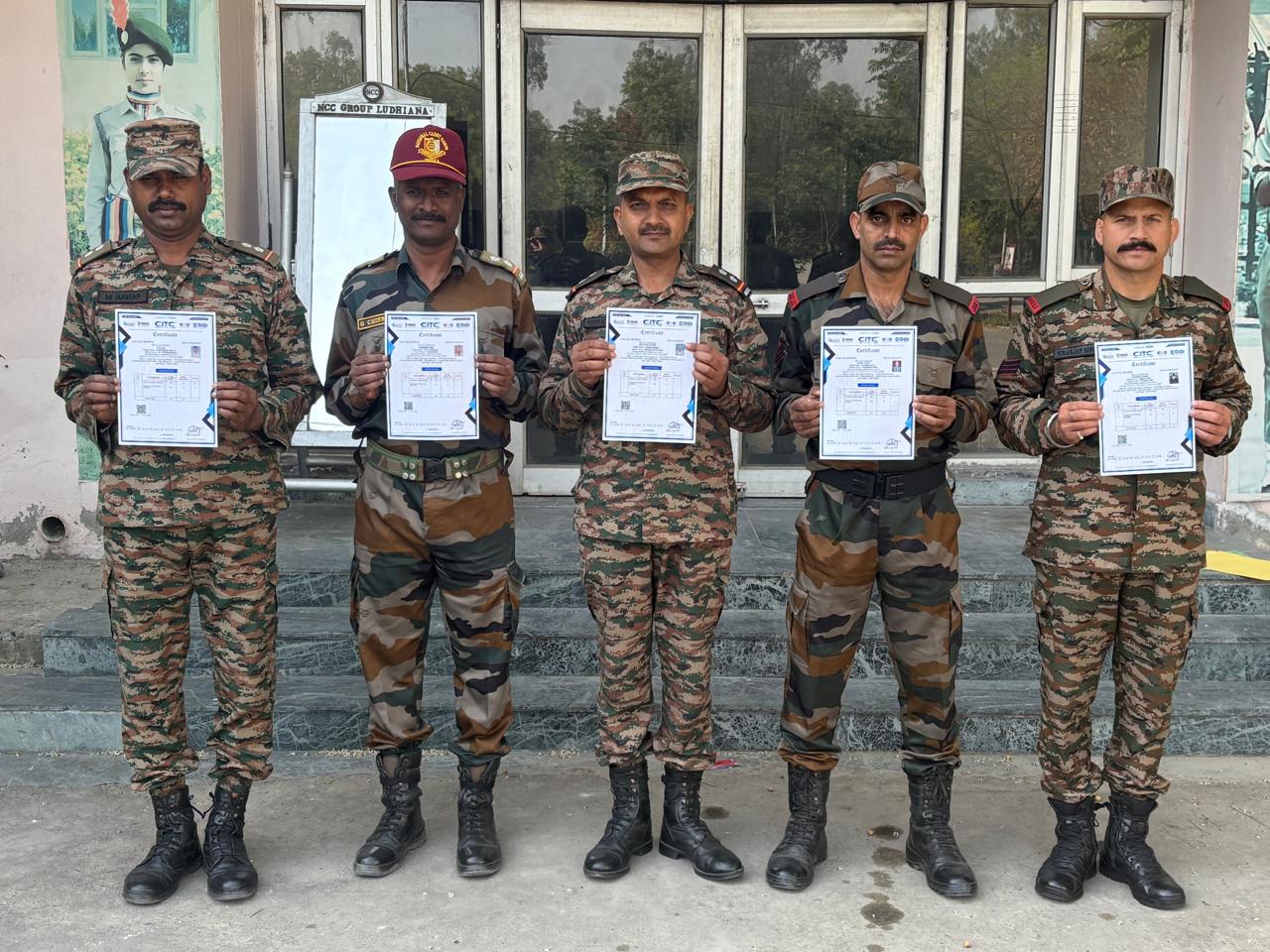
Training at 25 PB Battalion
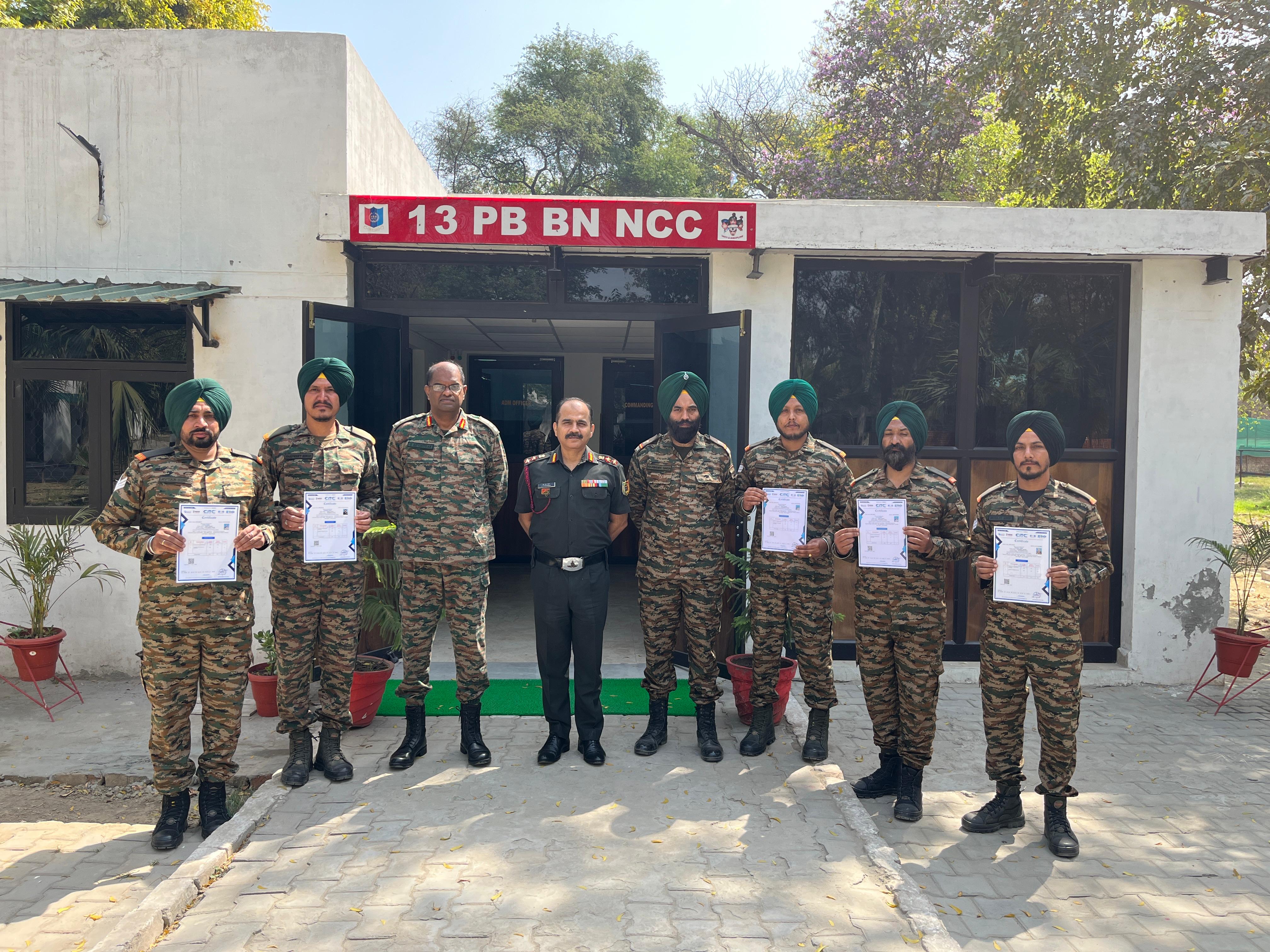
Training at 13 PB Battalion


